Equipment explained
Hard shell vs soft shell hyperbaric chambers: which suits a commercial facility?
The two chamber types look similar on a brochure and behave very differently on site. Pressure range, footprint, installation, staffing and paperwork — what to weigh before you shortlist.
AAAyan Immunotech · · 4 min read
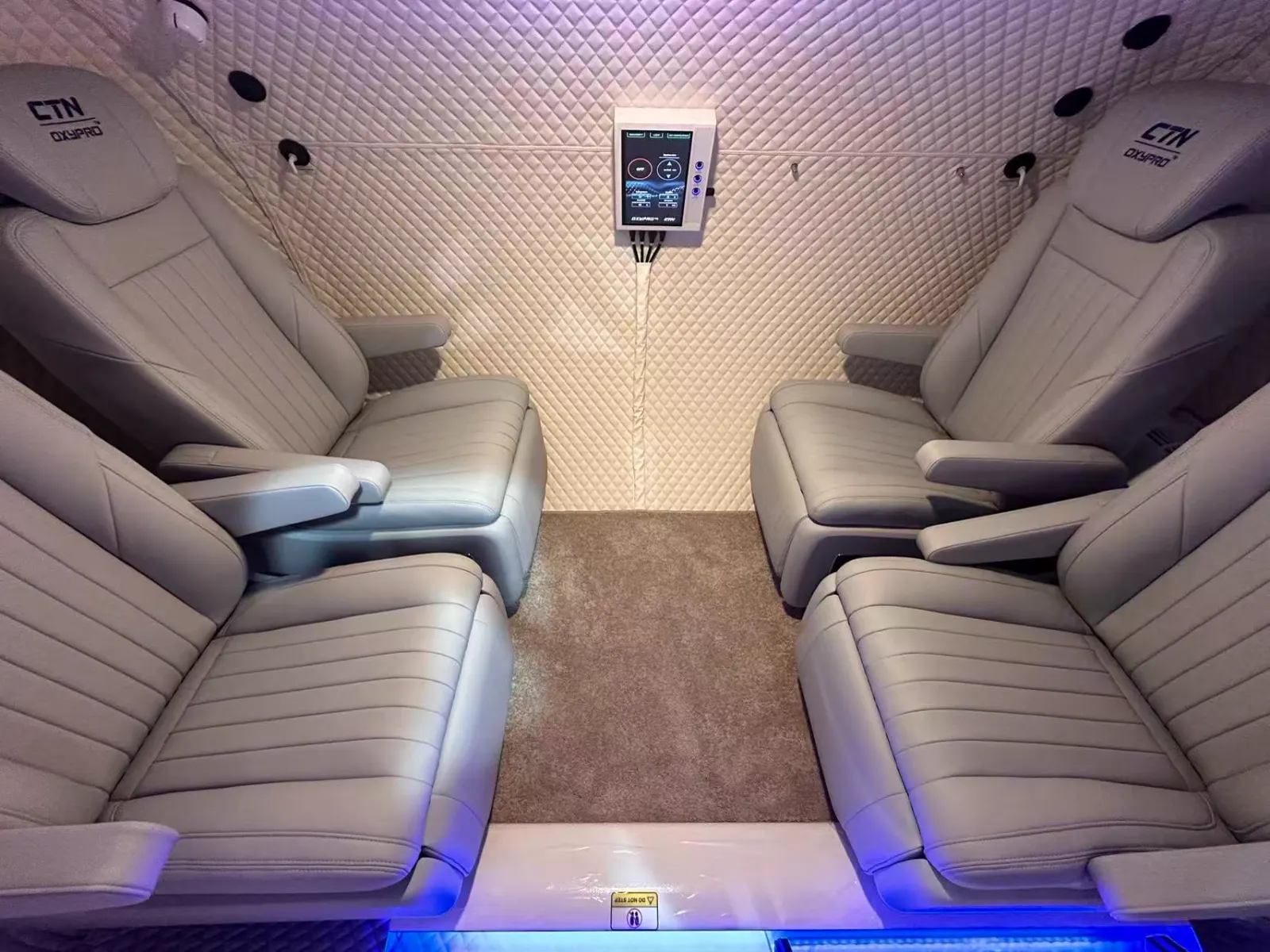
When operators first ask us about hyperbaric oxygen chambers, the question is usually "which model?". The better first question is "which type?". Hard shell and soft shell chambers look similar in a brochure photograph, but they differ in almost everything that matters on site: the pressure they run at, what the floor has to carry, who needs to be in the room, and what paperwork you should expect from the supplier.
This article sets the two side by side from a facility's point of view. It does not cover clinical use — that is a decision for qualified practitioners — only the equipment and what it asks of the building and the team.
The short answer
A soft shell chamber is a flexible, zippered enclosure that inflates to a mild pressure. It is lighter, smaller and simpler to install, and it is common in wellness studios, recovery lounges and residences.
A hard shell chamber is a rigid pressure vessel — steel, aluminium or acrylic — built to run at higher pressures, with a control console, certified valves and an operator. It is heavier, needs more planning, and is the type specified by clinics and higher-throughput facilities.

Pressure range
Pressure is expressed in atmospheres absolute (ATA). Sea-level air is 1.0 ATA.
- Soft shell chambers typically operate at around 1.3 to 1.5 ATA. The fabric and zips set the ceiling.
- Hard shell chambers are commonly rated to 2.0 ATA and above, depending on the vessel and its certification.
The figure on a specification sheet should be the rated working pressure of that exact model, backed by its certificate. A number without a certificate behind it is marketing.
Footprint and floor loading
This is where the two types part ways for most buildings.
| Consideration | Soft shell | Hard shell |
|---|---|---|
| Weight | Light enough for most upper floors | Can run from several hundred kilograms to well over a tonne |
| Delivery route | Folds or packs down; fits standard doors and lifts | Arrives as a rigid vessel; doors, lifts and corridor turns must be measured |
| Floor | Standard commercial slab is usually sufficient | Point load needs checking by a structural engineer, especially above ground floor |
| Room | Chamber plus clearance to enter and exit | Chamber, console, service clearance on all sides, and space for supporting plant |
Our installation requirements guide covers floor loading, power and ventilation in more detail, and it is worth reading before a site visit.
Air, oxygen and power
Both types need a supply of air to pressurise the chamber. Soft shell units usually come with a compact compressor and, where specified, an oxygen concentrator delivering through a mask. Hard shell systems are more involved: a larger compressor, filtration, certified relief valves, and in some configurations a medical-gas supply that brings its own storage and handling rules.
Plan for:
- A dedicated electrical circuit, with earthing checked, and a UPS for the control console on hard shell systems
- A location for compressors outside the session room where possible — they are the main source of noise
- Room ventilation and, where oxygen is used, oxygen monitoring
Staffing and operation
A soft shell chamber is designed around simple controls, and many can be operated from inside. A hard shell chamber is run from an external console by a trained operator, who stays with the chamber for the whole session. For a commercial facility, that is a staffing line in the business plan, not a footnote.
Whichever you choose, ask what training the supplier provides at handover, who is certified to operate the unit, and what the written operating and emergency procedures look like. We include operator training in every commissioning.
Certificates to ask for
Ask for the pressure vessel certificate before you ask for the brochure.
For hard shell chambers, ask for the design standard the vessel is built to — PVHO-1 is the one most often cited for vessels that people occupy — along with the pressure test records and the certificates for the relief valves. For both types, ask about electrical safety certification, whether the unit is registered as a medical device where its intended use requires it, and what the warranty and service terms cover.
A supplier who cannot produce these on request is telling you something.
Which suits which facility?
There is no universal answer, but the pattern we see across projects in India is consistent:
- Wellness studios, spas and hotels — often soft shell, where the room is small, the floor is upstairs and the service is part of a wider menu. See gyms, spas and hotels.
- Residences — usually soft shell, for the same reasons. See personal and residential.
- Clinics and hospitals — hard shell, operated by trained staff under clinical governance. See clinical and medical.
- Sports and performance centres — either, decided by throughput, space and staffing. See sports and performance.
Next steps
If you are comparing options, start with the room rather than the chamber: its floor, its access, its power and who will run it. The HBOT equipment cost guide explains what drives the quotation, and a site-specific quotation from us starts with exactly those questions.